
In brief
A large part of Costco's profit comes from annual membership fees, not from the goods on its shelves, where margins are often below 15 percent. Founded in Seattle in 1983, the warehouse club sells only to paying members, keeps the assortment to about 4,000 products instead of a supermarket's 30,000 or 40,000, and uses low prices to make members renew every year.
- Membership fees generate recurring, predictable revenue that does not depend on daily sales fluctuations or seasonal promotions
- Temporary products that appear and then disappear create a treasure hunt effect that increases dwell time, department exploration and impulse buying
- Many Kirkland Signature products are made by the same manufacturers that supply well-known brands, with lower marketing, advertising and distribution costs
In traditional retail, profit comes from a very clear source: the product margin. A company buys goods at one price. It resells them at a higher price. The difference is profit.
Costco has built one of the world’s most amazing businesses by doing almost the opposite. The American warehouse club chain charges extremely low margins on products, often less than 15%. In many cases, prices are so competitive that it’s difficult to understand where the profit lies.
The answer is simple but counterintuitive. Costco doesn’t primarily make money from what it sells on its shelves. It makes money from those who pay to enter its stores. The heart of its business model is annual membership. And it’s precisely this choice that has transformed Costco into one of the most profitable and loyal retailers in the world.
1. The radical idea: pay to buy
Costco was founded in 1983 in Seattle with a very clear idea: drastically reduce product margins to offer incredibly competitive prices.
The founders understood that many retailers try to maximize profit on each individual product, but this often leads to higher prices and a weaker relationship with the customer. Costco, however, chooses a different logic.
Offering the best possible price…but only to club members.
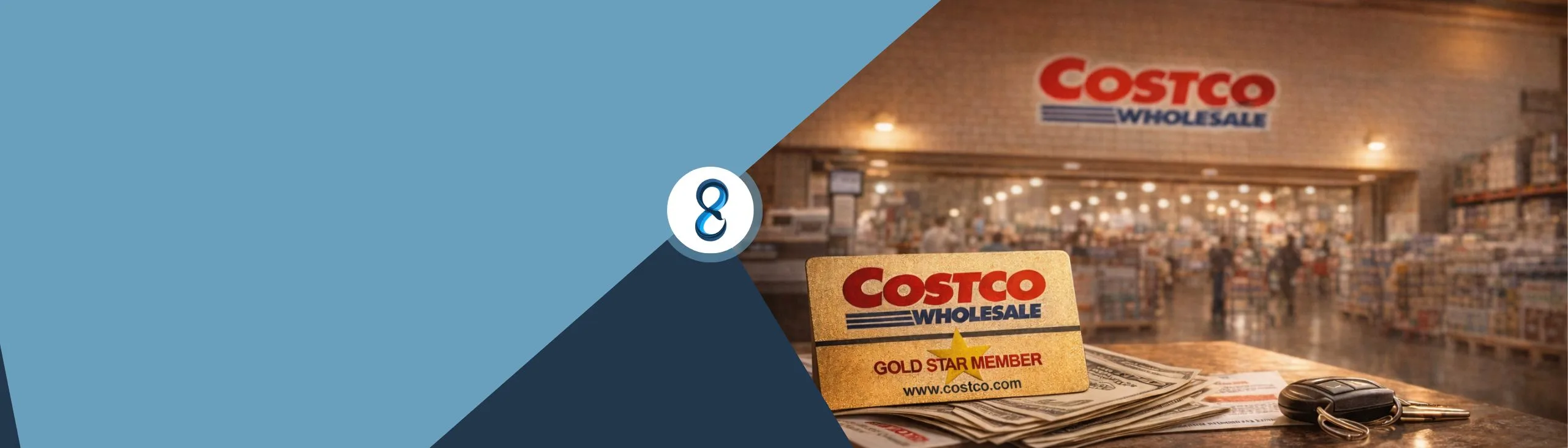
You must be a member to shop. Customers pay an annual fee to access stores. This simple mechanism creates a very powerful psychological dynamic. Customers no longer come in just to buy something.
They come in because they’ve already paid to do so. This difference completely changes purchasing behavior. When a person pays for access, they feel they want to make the most of that privilege. Membership therefore creates a completely different relationship than traditional retail.
The customer isn’t just a shopper. They become part of a club with exclusive benefits.
2. The Real Profit: Memberships
Costco’s financial structure is surprising and often misunderstood. A large portion of the company’s net profits come from annual membership fees.
This means that the business doesn’t primarily depend on margins on products sold in stores. The products on the shelves serve primarily to maintain high member satisfaction.
In other words:
Costco sells products at very low prices to get customers to renew their memberships every year. This creates a huge advantage. Memberships generate recurring and predictable revenue. They don’t depend on daily sales fluctuations or seasonal promotions.
Strategically, it’s a much more stable model than traditional retail. From a marketing perspective, this is one of the most interesting examples of a structural loyalty model.
Customer relationships aren’t just based on product satisfaction. They stem from an economic and psychological bond with the brand.
3. The Costco Experience: Less Choice, More Trust
Entering a Costco store, you immediately notice something unusual. The selection is much more limited than a traditional supermarket.
A supermarket might have 30,000 or 40,000 products. Costco has about 4,000. This isn’t a limitation. It’s a very precise strategy.
By drastically reducing options, the company can:
negotiate better prices with suppliers
maintain high quality
Simplify the shopping experience
This approach reduces what experts call choice overload. When there are too many options, the decision-making process becomes more difficult. Costco does the opposite. If a product is on the Costco shelves, it has been carefully selected. The customer doesn’t have to compare dozens of alternatives. They can trust it. This trust reduces cognitive effort and makes the shopping experience much smoother.
4. The Treasure Hunt Paradox
Another interesting element of the Costco experience is the so-called treasure hunt effect. Some products are introduced temporarily and then disappear. They are not part of the permanent assortment. This creates a sense of discovery. Every visit to the store can bring something unexpected.
If you find something interesting, you might never see it again. This creates a sense of urgency. Customers quickly learn that some opportunities are worth seizing immediately. The result is a very typical Costco customer behavior.
They come in to buy a few things… and leave with a full cart. From a marketing perspective, this dynamic is extremely powerful.
The combination of surprise, scarcity, and convenience increases:
in-store dwell time
department exploration
Impulse Buying
5. The Kirkland Brand: The Private Label That Challenges Global Brands
One of Costco’s most surprising assets is its private label. It’s called Kirkland Signature. At first glance, it may seem like a simple private label line, but it’s actually much more than that. Many Kirkland products are made by the same manufacturers who work for well-known brands. The difference is the price.
Costco eliminates some of the costs associated with:
traditional marketing
advertising
complex distribution
The result is a product of comparable quality at a lower price. Over time, Kirkland has become an extremely strong brand. In many cases, customers prefer Kirkland over traditional brands. This demonstrates something very interesting: When trust in the retailer is high, the private label can become a true brand. It is no longer simply a cheap alternative. It becomes a conscious choice.
6. Marketing Lessons from the Costco Case
The Costco case offers some very interesting insights for those working in marketing and in corporate strategy.
The business model can be the real marketing
Costco doesn’t need large-scale advertising campaigns. Its competitive pricing and membership system already convey the brand promise. The model itself becomes a form of communication.
Structural loyalty is more powerful than promotion
When customers pay an annual fee, they have a natural incentive to stay. The relationship with the brand doesn’t depend solely on promotions or advertising campaigns. It’s built into the economic model.
Trust reduces complexity
Offering less choice but more quality can improve the customer experience. When the retailer becomes a trusted curator of products, the customer doesn’t need to compare endless alternatives. Trust becomes the true competitive advantage.
Conclusion
Costco isn’t just a supermarket. It’s a club. An economic system built on member loyalty. Instead of trying to maximize margins on each product, the company has chosen a different strategy: offering exceptional prices to maintain customer relationships. And it’s precisely this relationship that makes the Costco model so difficult to replicate.
Frequently asked questions
How does Costco make money if its prices are so low?
Costco earns a large portion of its net profit from annual membership fees rather than from product margins, which are often below 15 percent. The goods on the shelves exist mainly to keep members satisfied so they renew every year. This gives the company recurring, predictable revenue that does not depend on daily sales or seasonal promotions, a far more stable model than traditional retail.
Why do you need a membership to shop at Costco?
Membership is the core of the business model: customers pay an annual fee to access the stores and in return get the lowest possible prices. Paying for access changes behavior, because people who have already paid want to make the most of the privilege and feel part of a club with exclusive benefits. That economic and psychological bond is what builds structural loyalty.
Why does Costco sell so few products?
Costco stocks about 4,000 products, compared with 30,000 or 40,000 in a typical supermarket. The narrow range lets the company negotiate better prices with suppliers, maintain high quality and simplify the shopping trip. It also avoids choice overload: when an item is on a Costco shelf it has already been selected, so the customer does not need to compare dozens of alternatives and can simply trust it.
What is the Costco treasure hunt effect?
The treasure hunt effect comes from products that are introduced temporarily and then disappear from the assortment. Each visit can bring something unexpected, and an interesting item may never return, which creates urgency. Customers learn to seize opportunities immediately, come in for a few things and leave with a full cart. Surprise, scarcity and convenience together increase dwell time, exploration of departments and impulse purchases.
Is Kirkland Signature as good as name brands?
Kirkland Signature, Costco's private label, is often made by the same manufacturers that produce well-known brands, so the quality is comparable while the price is lower because Costco cuts costs of traditional marketing, advertising and complex distribution. Many customers have come to prefer Kirkland over traditional brands, which shows that when trust in the retailer is high a private label becomes a conscious choice rather than a cheap alternative.
Last substantive revision: March 24, 2026.